
Ingredients
Yields: 50 tarts
Pineapple jam
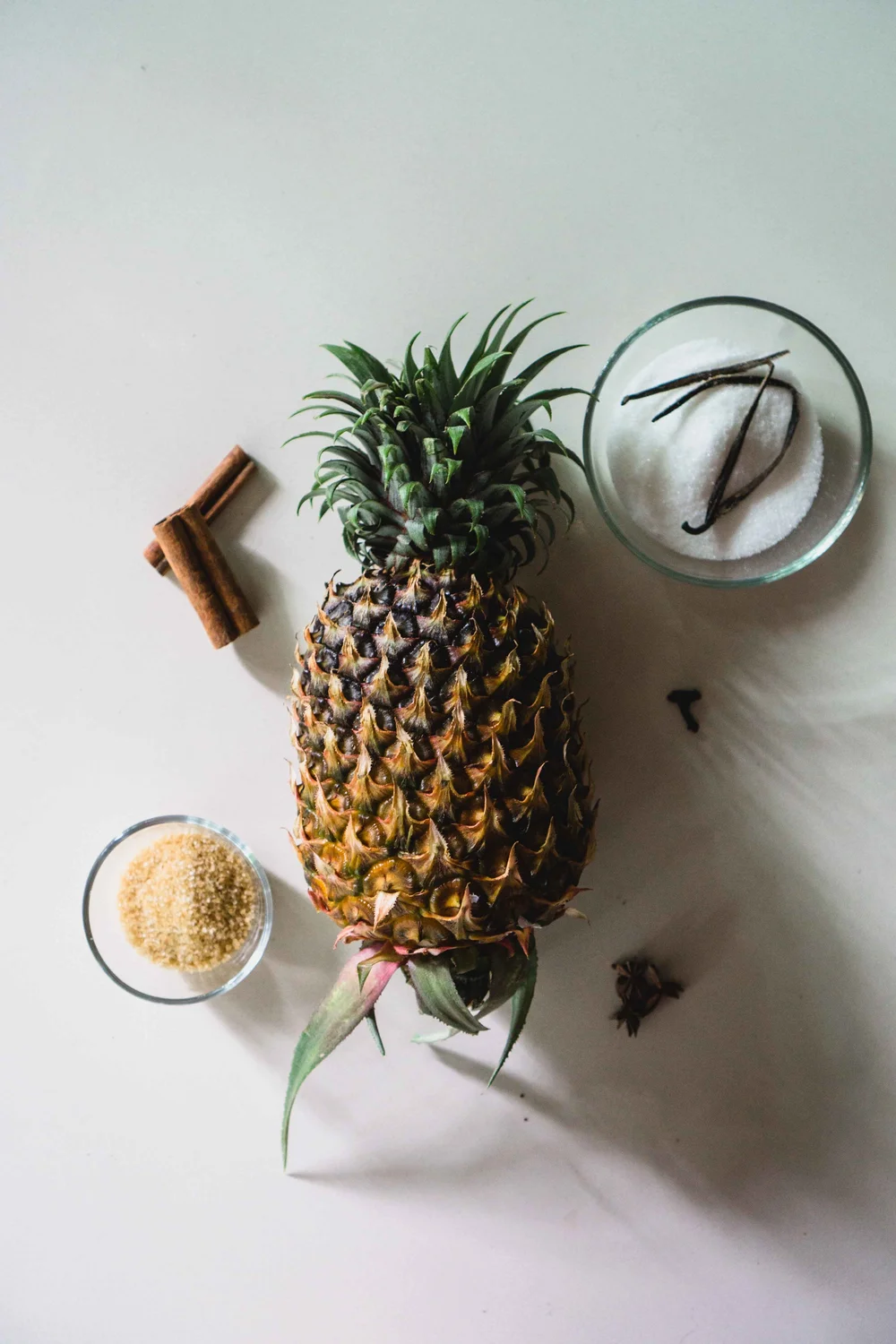
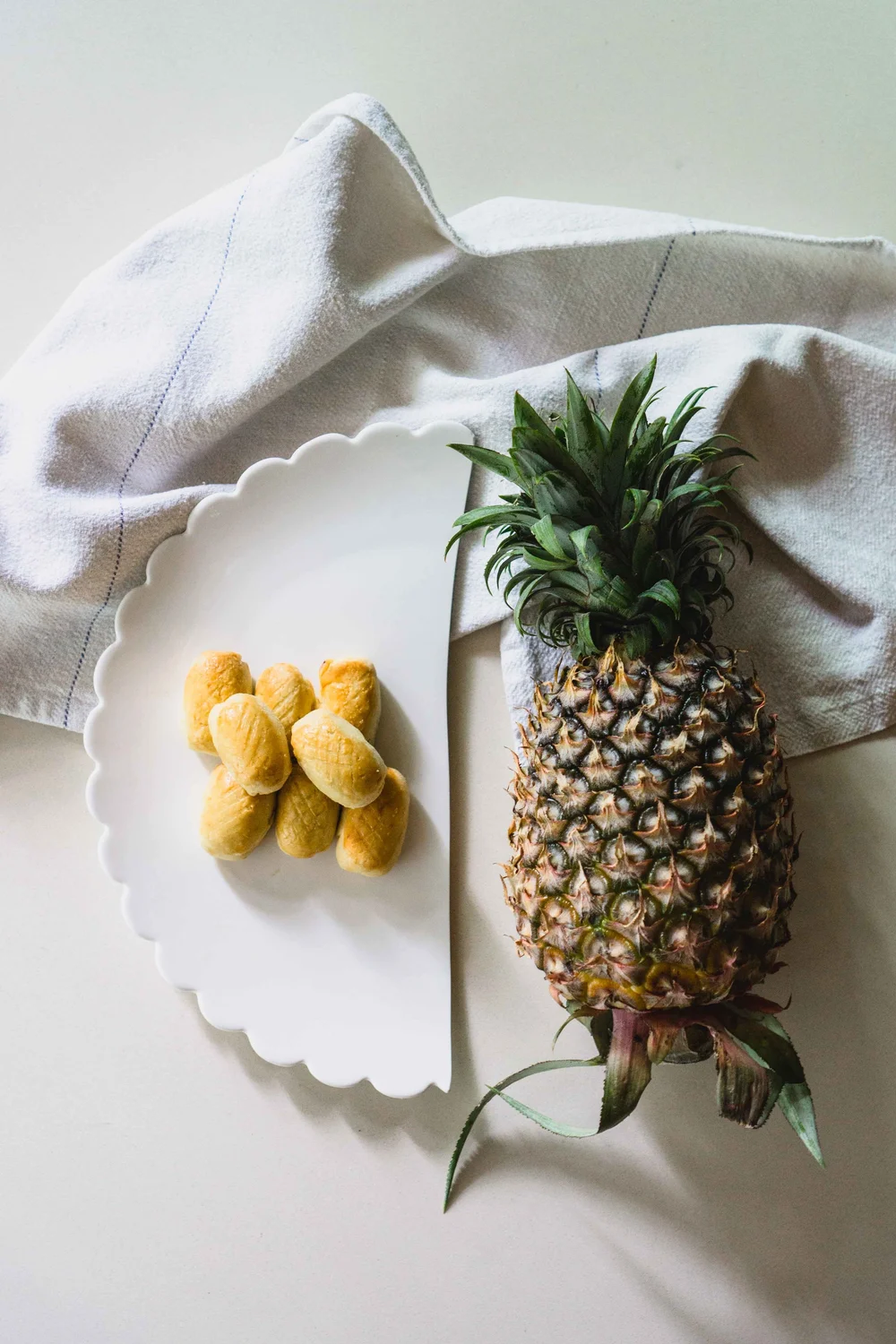
- 1 medium pineapple
- 1 cinnamon stick
- 2 cloves
- 1 star anise
- 3 g vanilla essence
- 50 g sugar - or more depending on the sweetness of the pineapple.
Tart dough
- 220 g all-purpose flour
- 25 g cornflour
- 5 g salt
- 115 g butter - cut into small cubes and chilled
- 2 egg yolks
- 30 g caster sugar
- 30 g water - plus more if the dough is too crumbly
Eggwash
- 1 egg
- 1 tbsp water
Method
Pineapple jam
- Remove the skin and eyes of the pineapple, and slice the pineapple flesh and core into medium-sized chunks. (I didn’t discard the core as I like the bit of texture it adds to the jam.) Blend pineapple in a food processor/blender until semi-smooth (around 30 seconds on high).
- Pour the blended pineapple into a wide pan/pot, then add in the sugar and spices (cinnamon, cloves, star anise, vanilla).
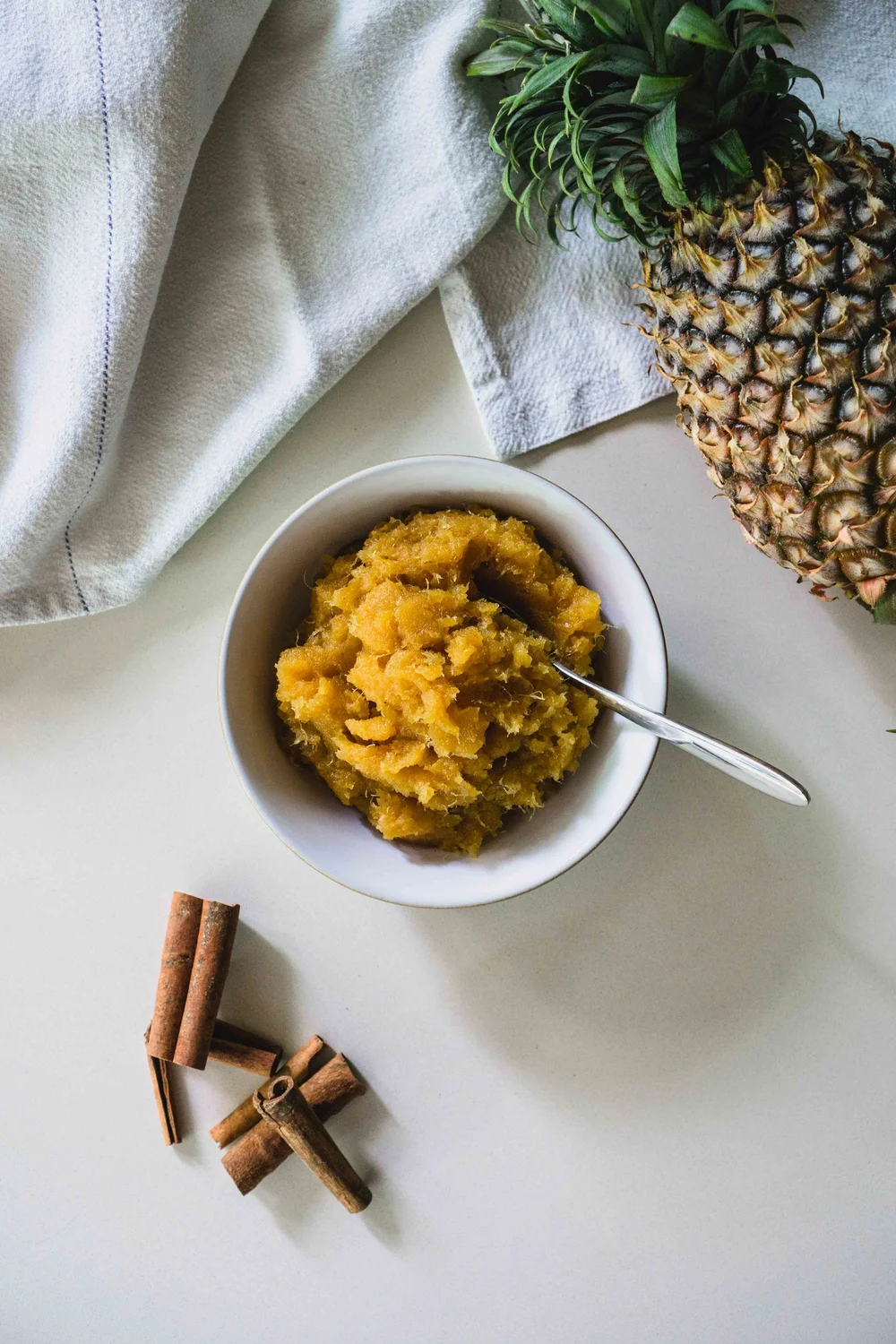
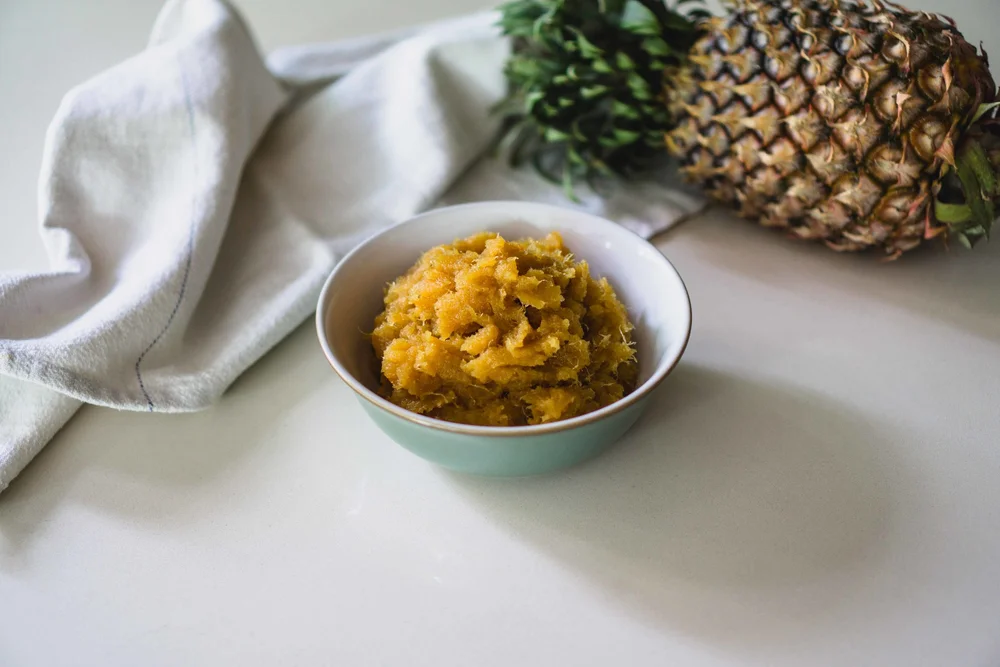
- Let it simmer on medium heat until it reaches the consistency of a thick marmalade, which should take around 1-1 ½ hours. Stir every 5 minutes or so to prevent any bits from catching on the bottom and burning.
- When the mixture thickens into a jammy consistency, remove the spices. Then taste and add more sugar if needed. Transfer the jam into a bowl/container and refrigerate when cool.
Making the dough, plus baking
- First, sift the all-purpose flour, cornflour, and salt together, and place in a standing mixer with a paddle attachment. Add the cold cubes of butter into the flour mixture and mix on medium until it reaches a sandy texture (this should take 30-60 seconds). Then, whisk the sugar, egg yolks, and water together and add this to the flour mixture. Mix briefly until a dough forms. (If still very crumbly, add one or two extra tablespoons of water until dough comes together.)
- Roll the dough into a ball, flatten slightly, and wrap in plastic wrap. Refrigerate for at least 30 minutes, or up to 2 days.
- Take the dough out of the fridge, and knead it a few times to equalise the temperature all around the dough. On a well-floured surface, roll the dough out until 1/6 inch thick (~4mm).
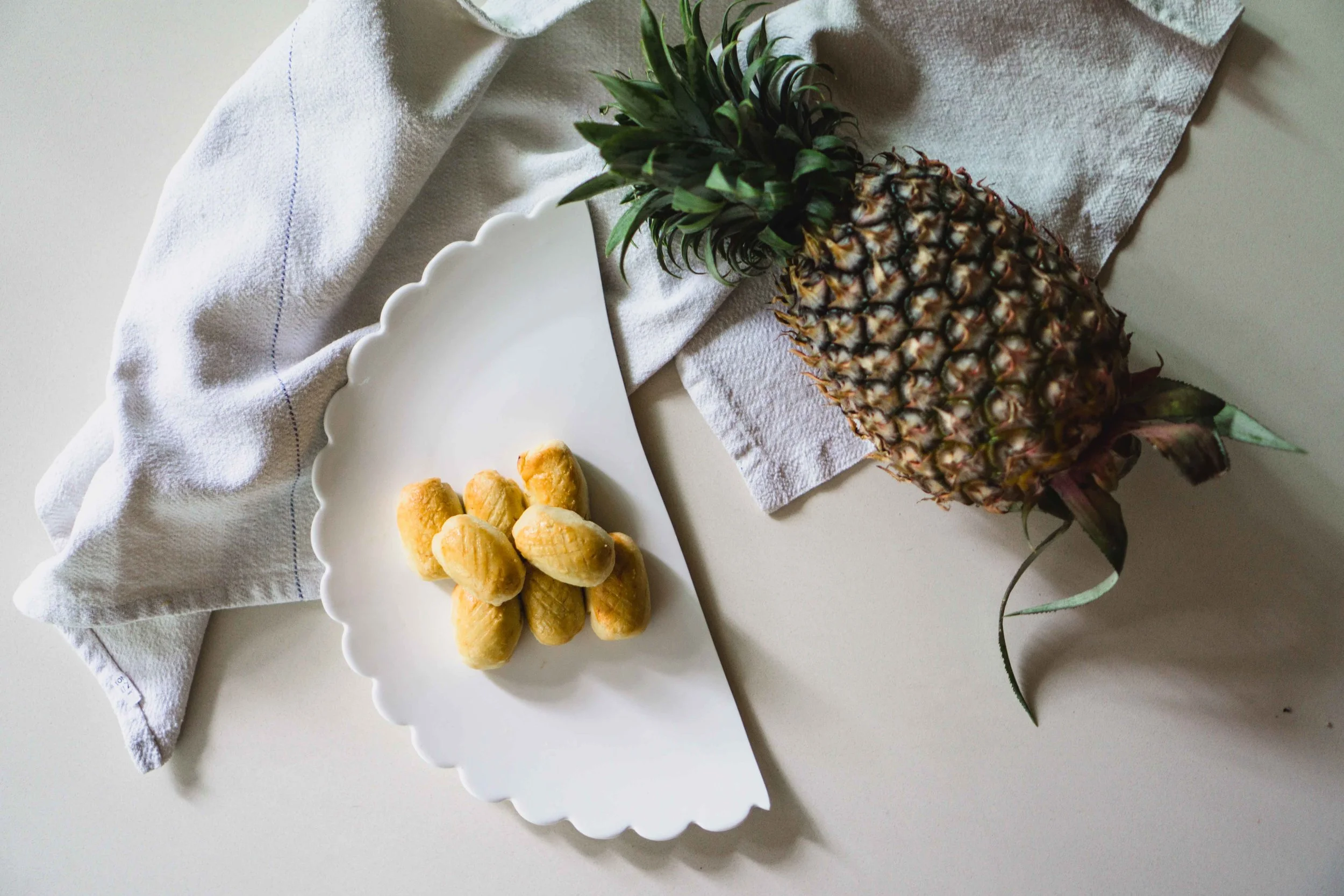
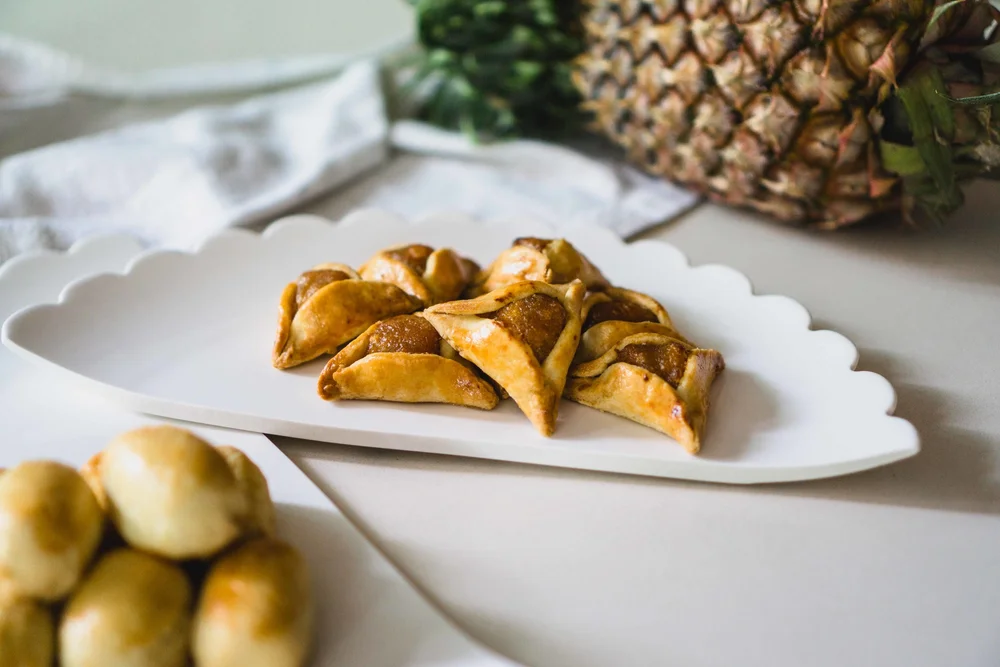
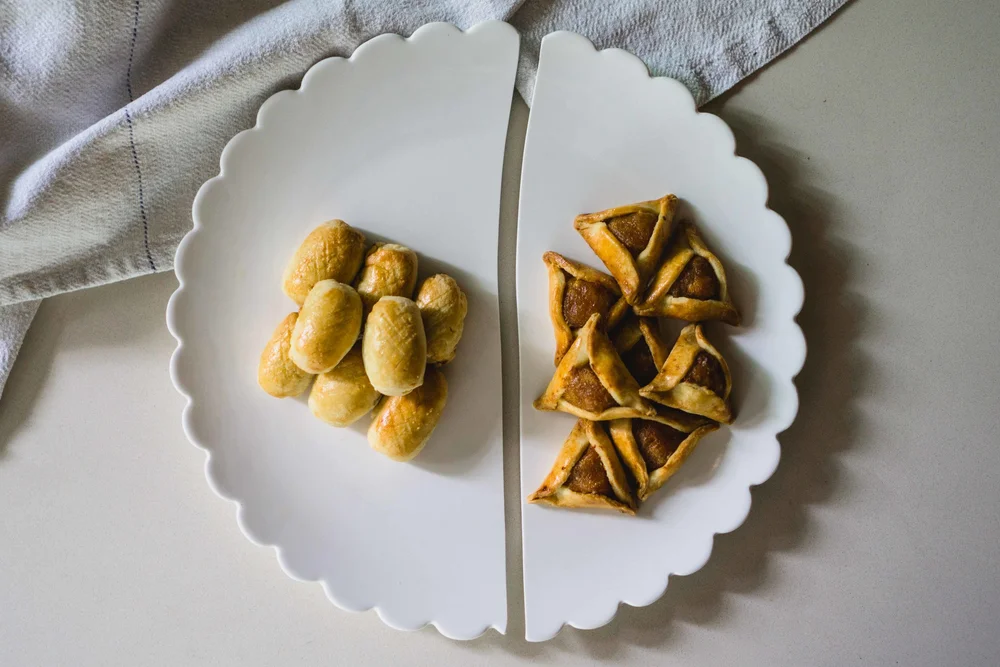
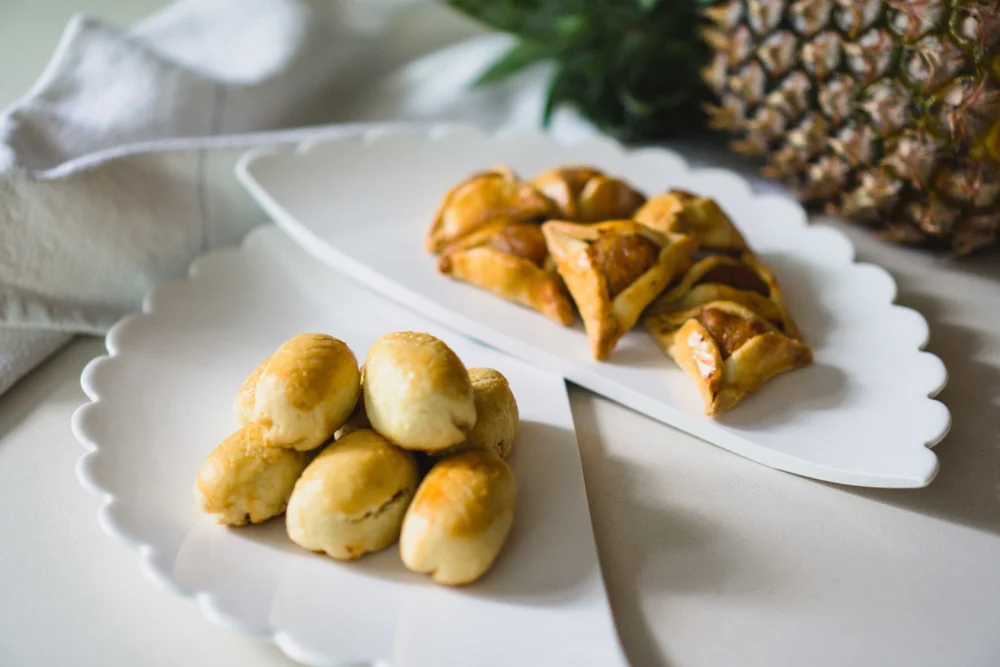
- Cut circles out of the dough using a ring cutter (I find 7 or 8cm ones work best). Place 1 teaspoon (~8g) of the pineapple jam onto the centre of the dough circles. Fold in the sides, making sure the pineapple jam is concealed. Gently shape and roll into a ball. To make it oblong, pinch it in the middle and roll it lengthwise to get it to shape. Be gentle!
- Using a knife, score a crosshatch pattern on the top of the pineapple tarts so they resemble pineapple eyes! Place the tarts on a lined baking tray, and brush a thin layer of eggwash on them. Bake for 20 minutes in an oven preheated to 190°C, until delightfully golden.
- Enjoy! And as they say over Chinese New Year – “Ong lai!” (which is the word for pineapple in the Hokkien dialect, but is also a homonym for “come here, wealth!”)