Ingredients
Yields: 50 candies
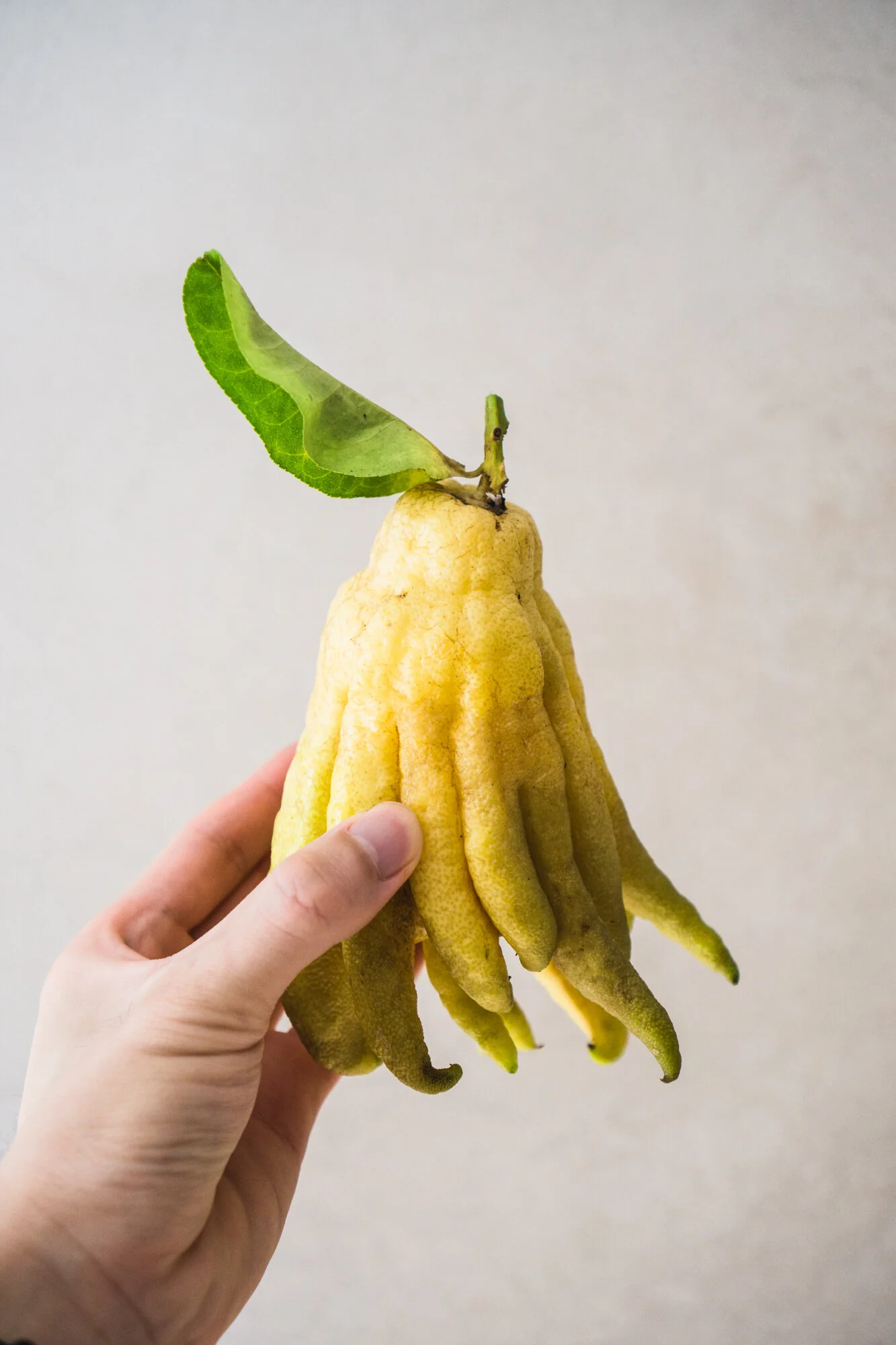
- 1 buddha’s hand - or any other citrus
- 200 g sugar
- 200 g water
- 50 g coarse granulated sugar - to coat the candy at the end
Method
- Cut the buddha’s hand into 2cm (½ inch) cubes. (This measurement is just a guide and doesn’t have to be exact as you’re bound to have irregular pieces from the fruit.)
- Transfer the cut pieces of fruit into a small pot or saucepan, add enough water to the pan until the pieces are covered, and bring the whole thing to a boil. Turn it down to a simmer and cook the citrus pieces for 30 minutes, until just translucent.
- Drain out the pieces of citrus, pour away the water, then return the pieces of cooked citrus to the same pan. Add the 200g of sugar and water to the pan, and bring it to a simmer. Cook it for 15-20 minutes, stirring occasionally to prevent any bits of citrus from burning, and stop the cooking when the sugar syrup turns thick and spoon-coatable. (Or if you have a thermometer, cook it until the sugar syrup reaches 110°C (230°F).)
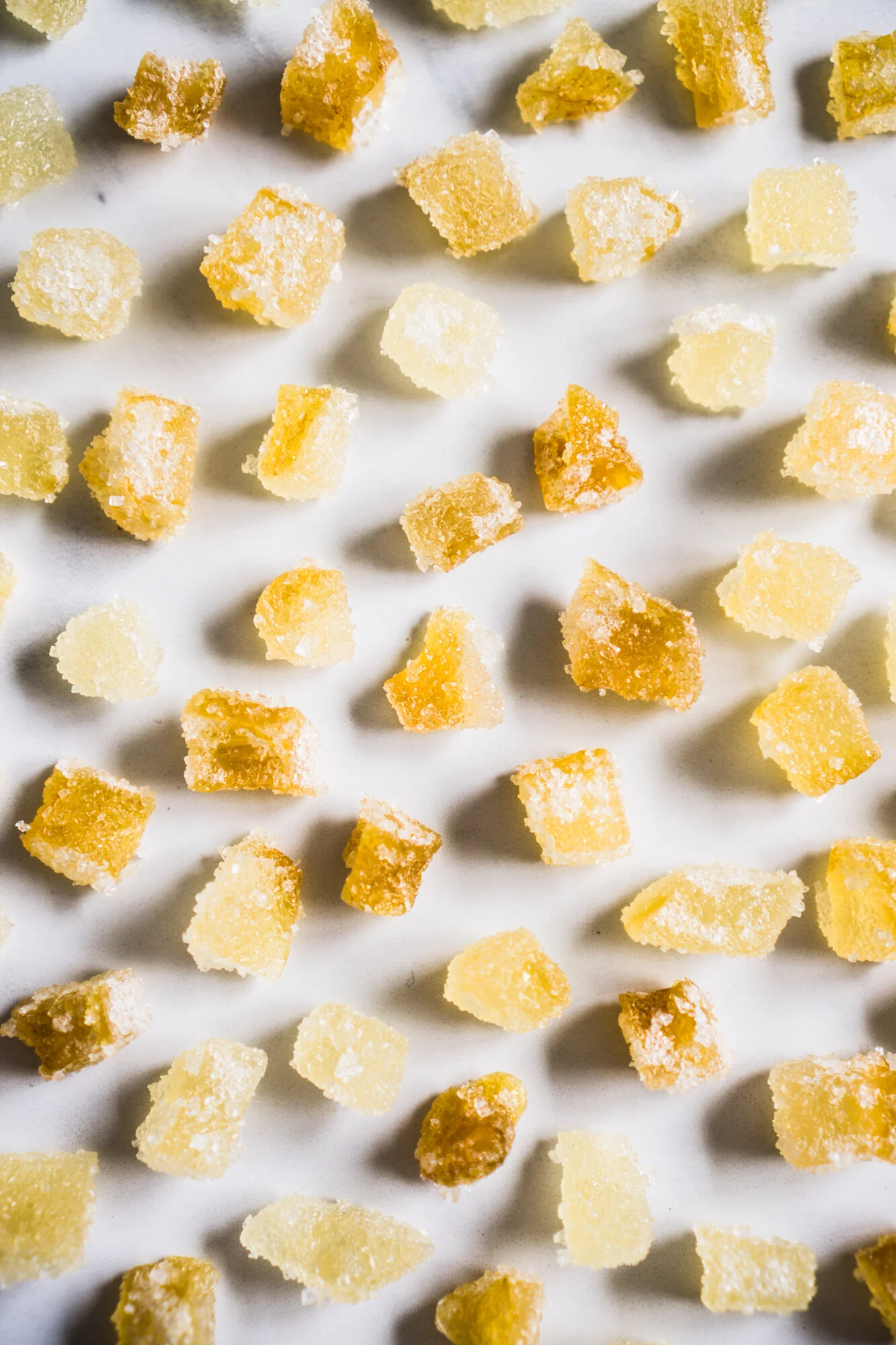
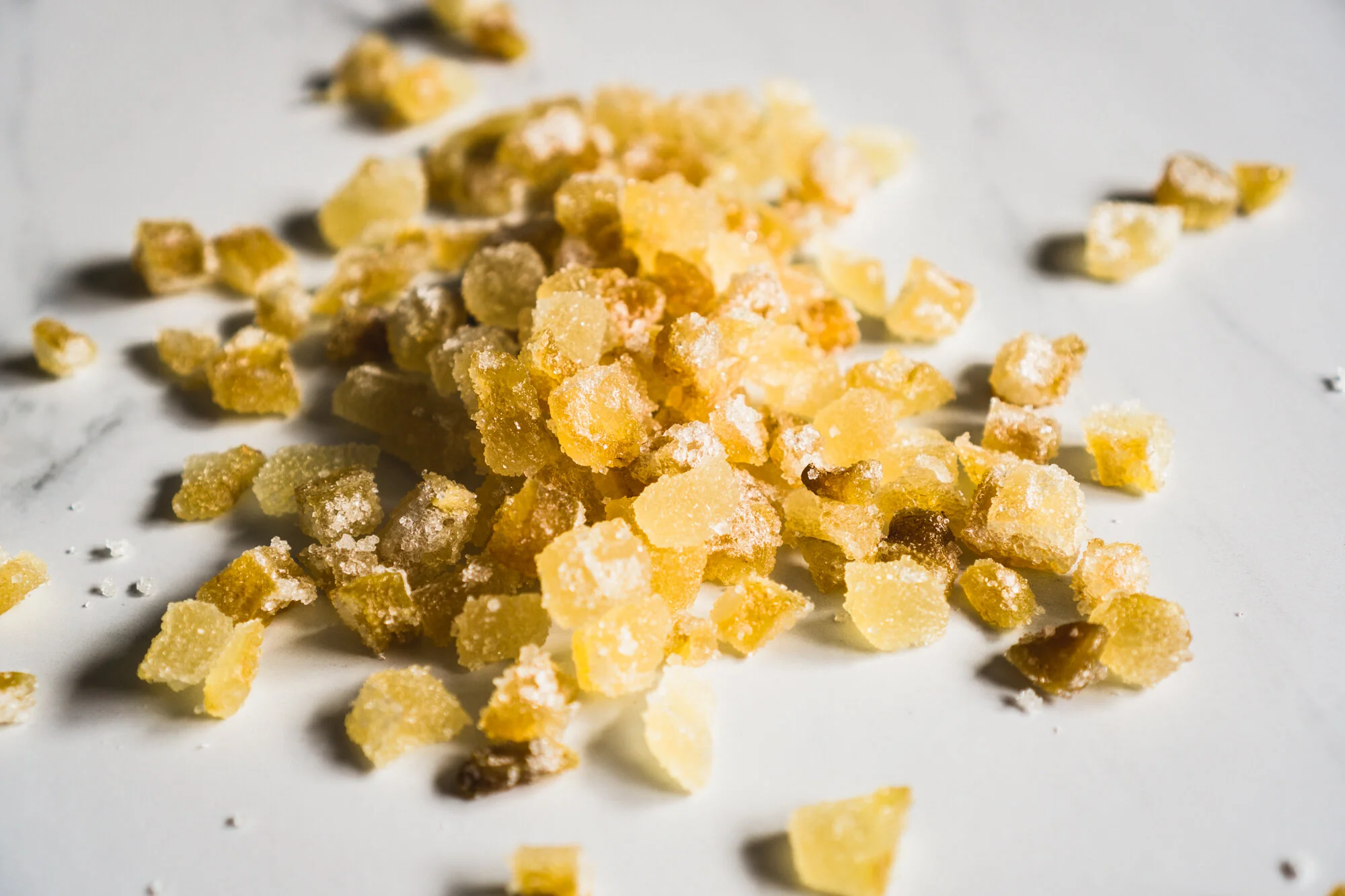
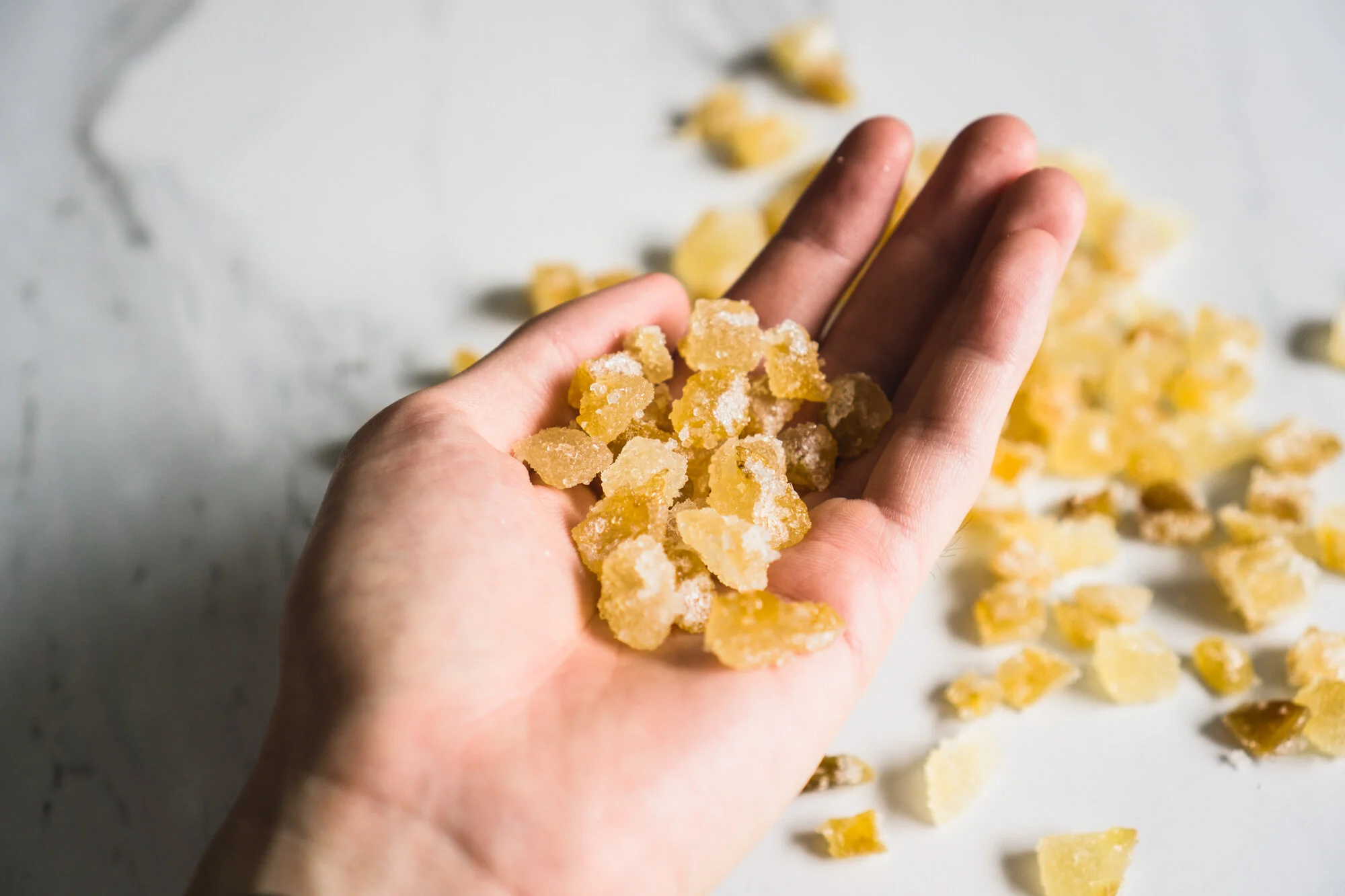
- Using a strainer, drain out the pieces of citrus, letting it sit in the strainer for 5 minutes to cool down and allow any excess syrup to drip off. (You can keep the syrup for any dessert/baking purposes, and even to mix into drinks and cocktails!) When the pieces of citrus are drained, toss them in some coarse granulated sugar, making sure each individual piece is separated and well-coated. Finally, spread the candy out onto a wire rack and leave it out to dry overnight. (Alternatively, you can pop it in a dehydrator, or a low temperature oven, set at 60°C for 2 hours.)
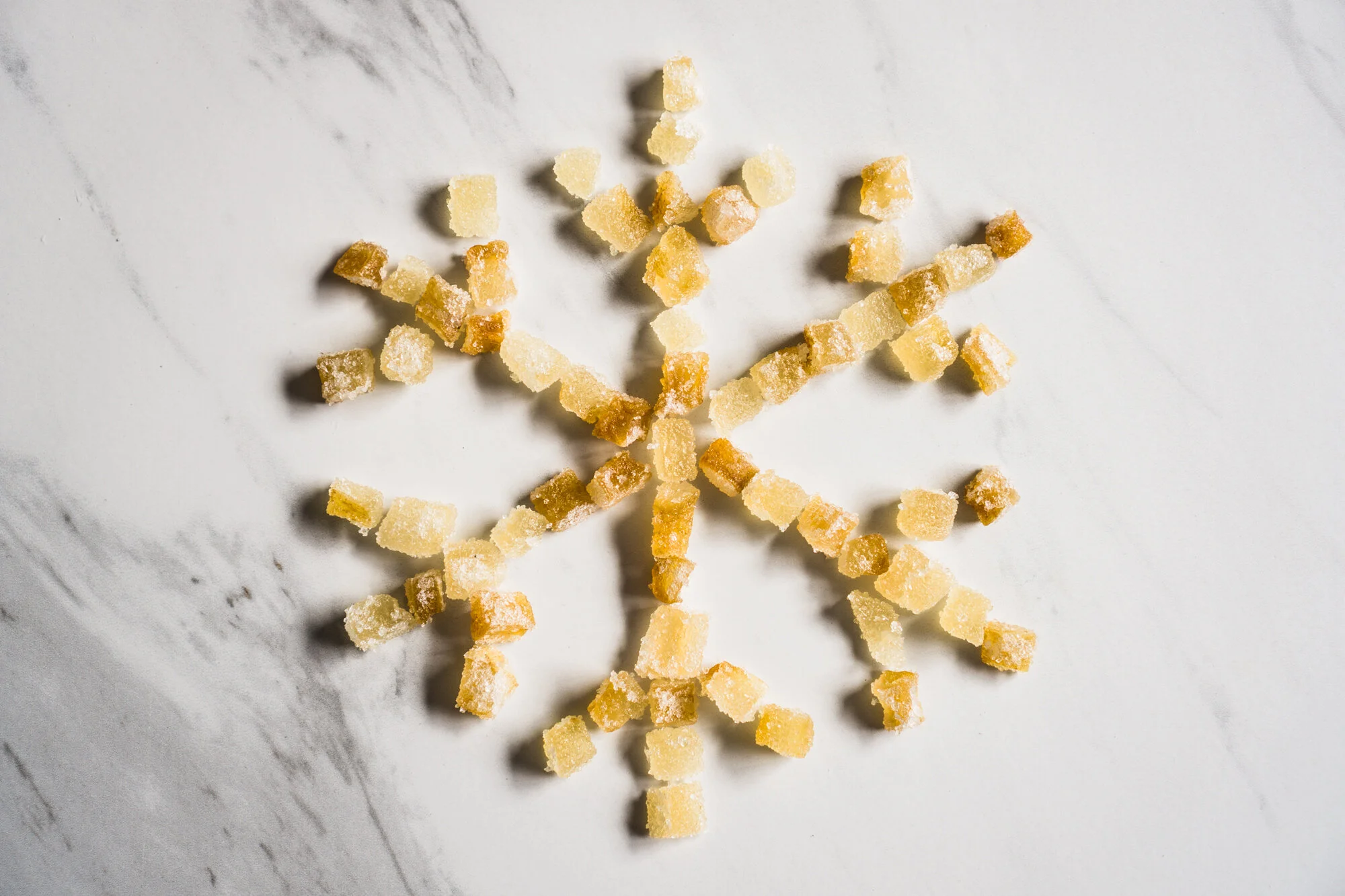
- When done, eat! These candies keep well in a jar, and can last for 2-3 weeks at room temperature, or up to 4 months in the refrigerator.