Kombucha is everywhere. You’ll find kombucha stocked on the glass displays of your neighbourhood cafés, in supermarket chiller aisles, touted at farmers markets and in the homes of the hip and health-conscious, sporting brand names that are often some amalgamation of “kombucha”—“Booch”, “Boochy”, “Ka-booch”.
While I adored my first sips of kombucha, I’ve recently been a little saturated by it all. Every brand is doing just about the same thing. There’s always a basic black tea-based kombcha, some sort of citrusy special, a sweet, cough-syrupy tropical or berry-based concoction, perhaps a “lite” green tea version, and often a (sometimes-not-so-)subtly spiced gingery one. Not to say that kombuchas don’t taste good; I’ve got major love for anything tangy, and occasionally would be down for a glass of good kombucha. But none of the flavours excite me anymore.
See, part of the fun in the initial wave of kombucha craze is not knowing how it’ll taste. Uncapping each bottle of kombucha always came with a gleeful excitement for the unknown. You don’t know if it’ll be overly zingy, saccharine sweet, just right, or if you’ll choke over that potent hit of overly spiced ginger kombucha. That was all a part of the fun for me, trying out new flavours, discovering unexpected combinations. I want to feel like Alice downing the Drink Me potion.
Well, last month, My Wonderland dreams were finally fulfilled, when I stumbled upon a bar on a New Year’s trip to Johor, a state in Malaysia 4 hours south from where I live. I brought a few friends to the secluded, home-based Shui Bar, in which we were whisked away into new year reverie with cool cocktails, candles for mood lighting, and a flight of kombucha-based drinks that totally blew us away.
About the Drink
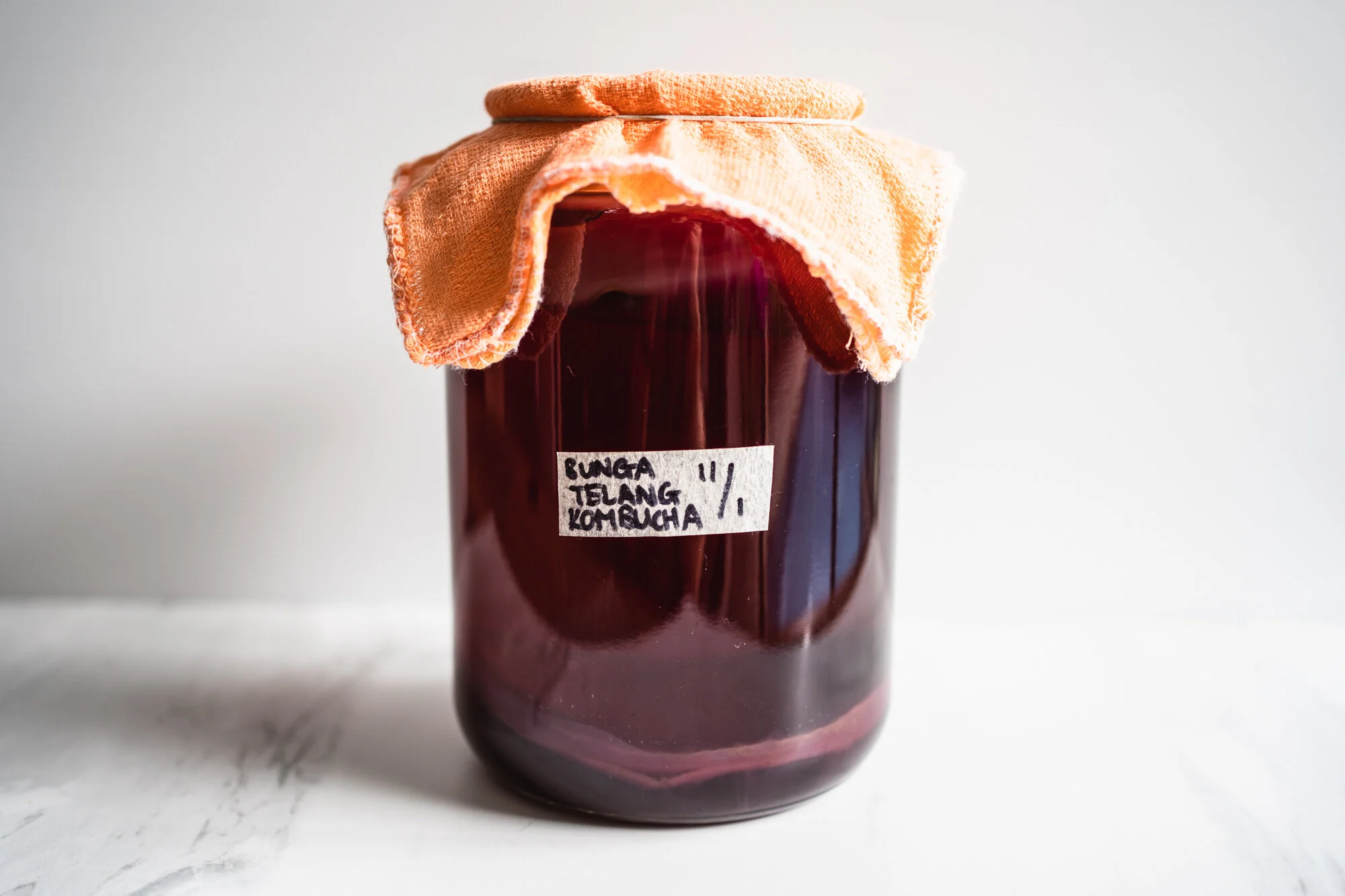
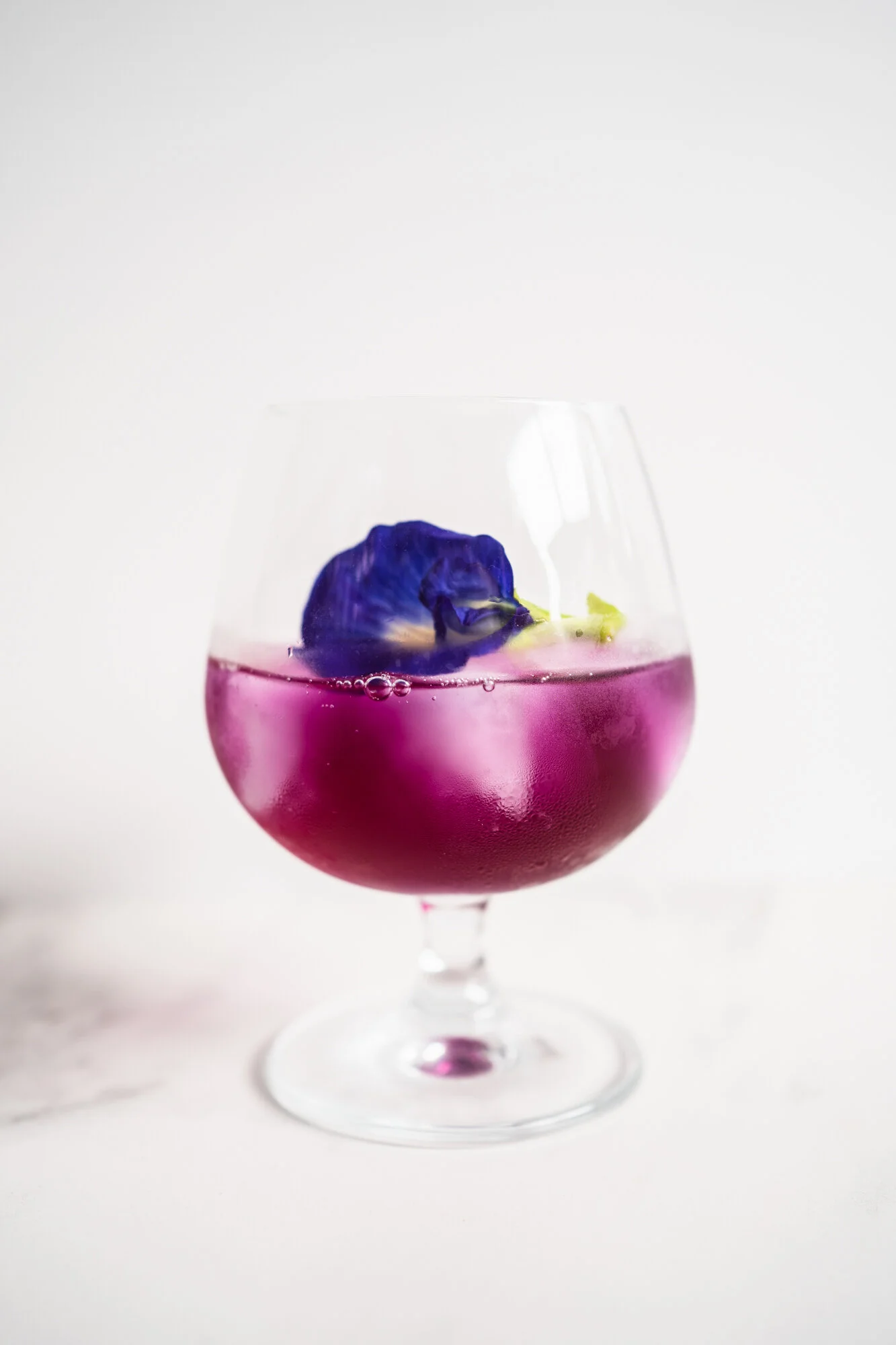
Yo, those kombuchas were truly out of this world. From gula melaka to blue pea flower, rose to pandan, the kombuchas brewed up by Vinc, the bar owner, looked and smelled like regular kombuchas, only the flavour came on stronger, more aromatic and they were straight up pure. It’s like that Ortolan-eating scene in Billions—you don’t know it until you’ve tasted it. That’s when Vinc revealed a telling secret: there’s no tea in his kombuchas!
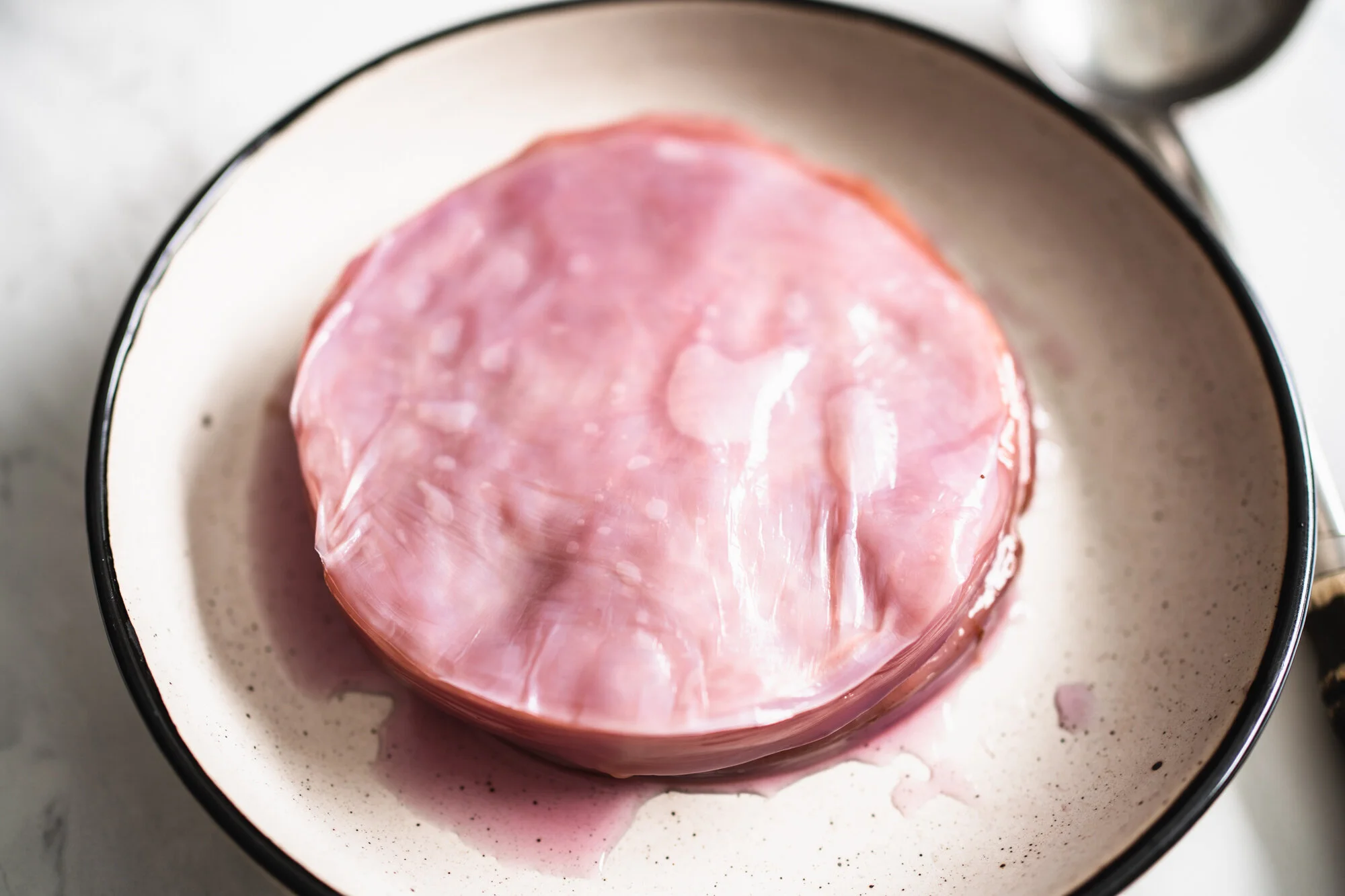
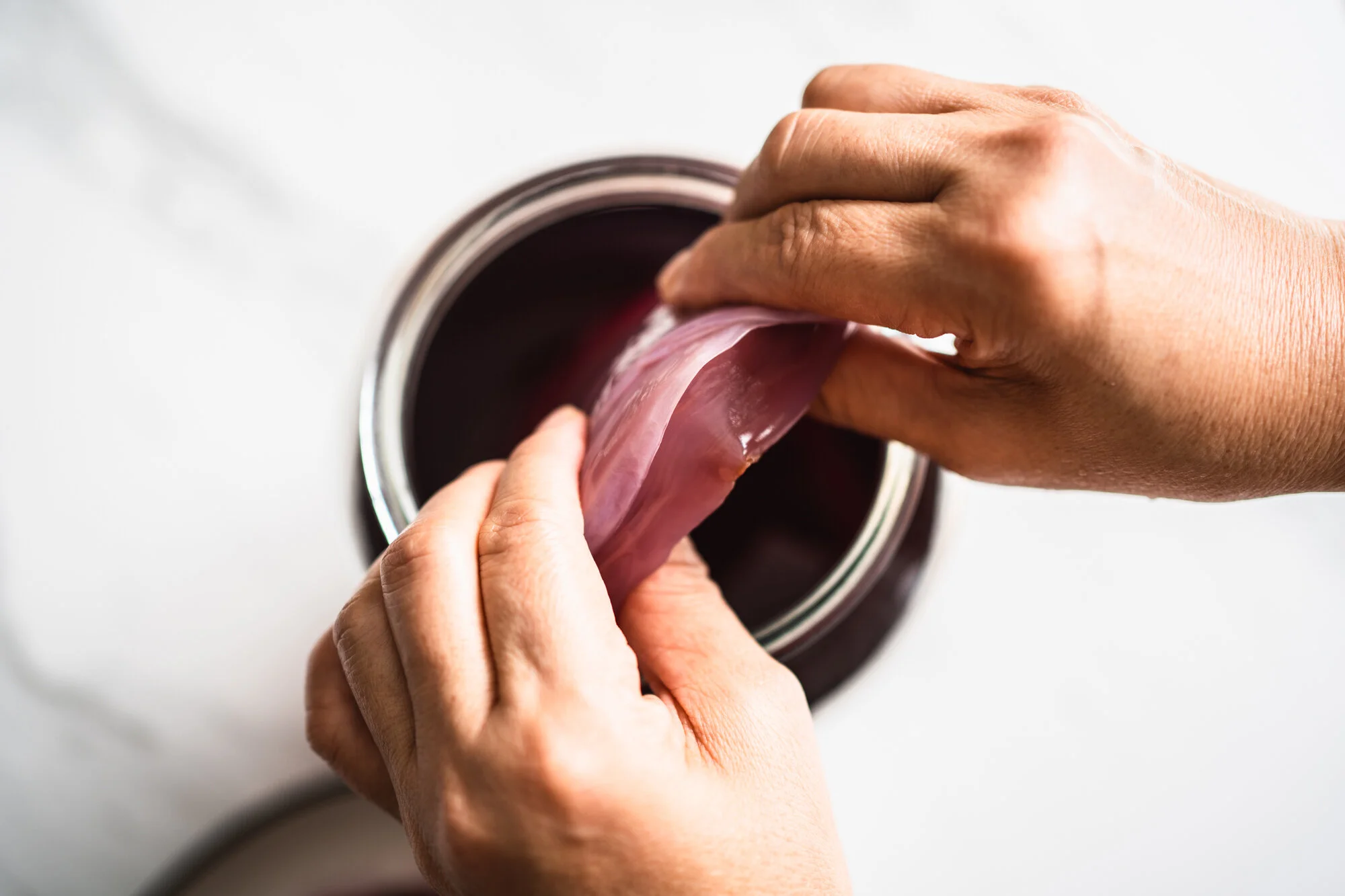
If you’re familiar with making kombucha, you’ll know that the colony of bacteria responsible for turning kombucha into tea (called a SCOBY) needs sweet tea to survive. Beyond just feeding on the sugars, the nutrients in tea leaves—potassium, caffeine, theanine—are what helps keep the scoby alive and well. But—and this is something that I only found out at Shui Bar—the bacteria colony is actually also capable of turning sugary, non-tea-based drinks into a tangy beverage, albeit not being as stable or healthy doing it. So all you do is follow the same process as making a regular kombucha, but instead of making a sweet tea, you just make a sweet drink!
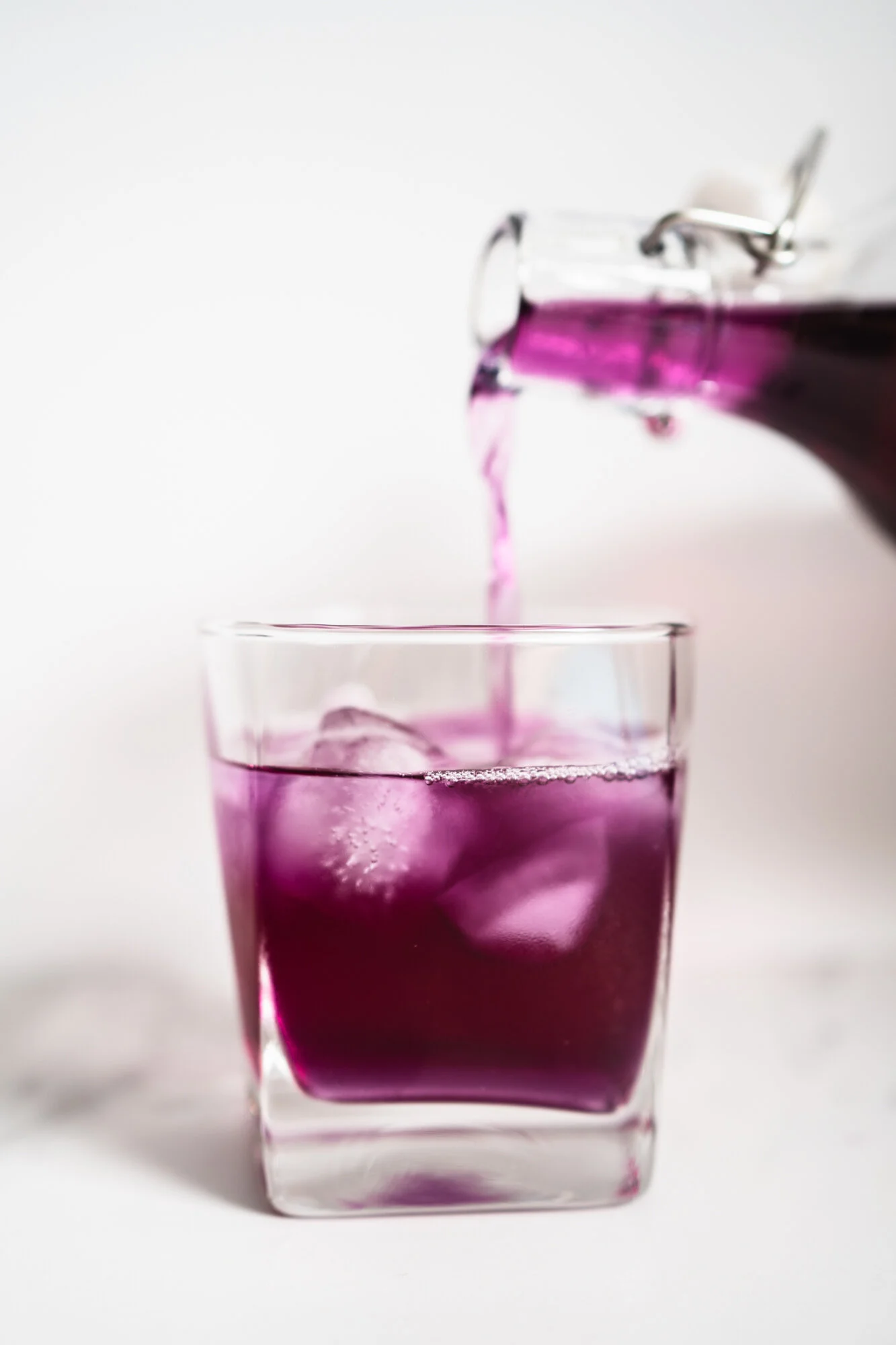
Vinc has been experimenting with these “kombuchas” for awhile now, and since I heard about it, I’ve been doing the same, reviving my old scoby I’ve got stored at the back of my fridge, and getting it to concoct some non-tea kombuchas. I’ve tried a blue pea flower version thrice now, which tastes like a sweet blackcurrant drink, reminiscent of Ribena. And I’ve got a few cool ideas in my head for more! So, fair warning, this is all still very experimental, very new territory to me. There’s not much literature on it out there, and there’s a chance your scoby might not survive the experiment, but I’ve included some tips and observations below!
Regardless, despite how unorthodox it might seem, kombucha without tea is possible, and we’re just getting started! Might this be the new wave of “kombucha”?
Tips for Success
As with any fermentation, this recipe might not work the way you expect it to. Depending on your scoby strength, the temperature and humidity of your kitchen, the length of time, your drink might turn out slightly different. So use this recipe as a guide, and tap into your intuition to adapt the recipe to your needs.
Having said that however, here are some general tips to ensure your kombucha experiment goes ecstatically:
- Make sure the scoby you’re using is really strong and healthy. The scoby can’t thrive in a non-tea liquid, so it’s best to start off with a strong scoby so it doesn’t weaken off and die halfway through the fermentation process.
- A 3 to 5-day fermentation works best. Like making regular kombucha, the length of fermentation is variable; the longer you leave it, the more sour the drink will turn. But because the scoby won’t thrive as much in the liquid, any longer than a week will increase the chance of it turning moldy and spoiling.
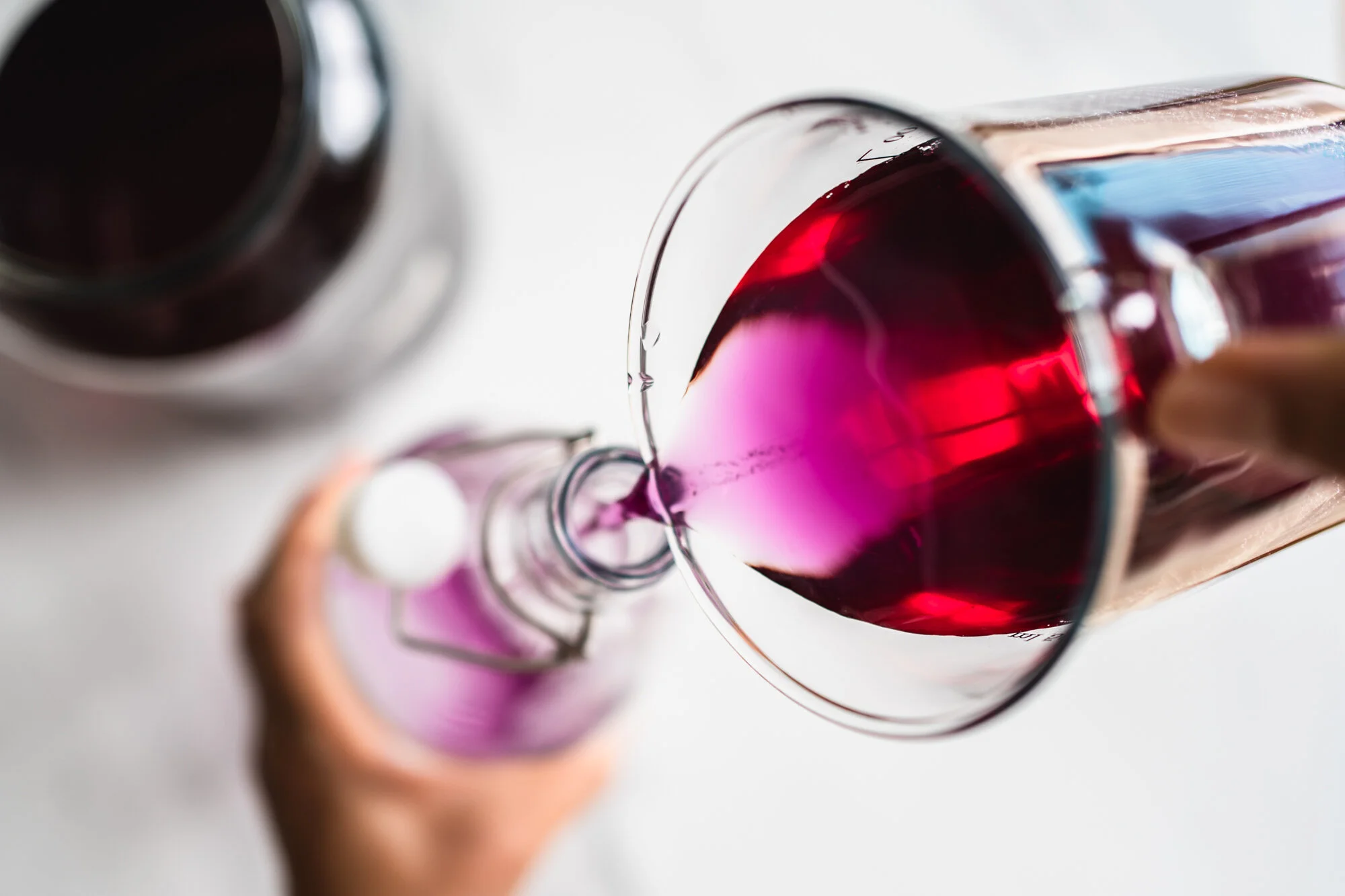
- Unless you’re looking to carbonate and fizz-up the drink, it isn’t necessary to do a secondary fermentation for this. It’s ready to drink after the 3 to 5-day fermentation period. In fact, I’m partial towards keeping this “kombucha” flat and non-carbonated, as the tangy, blackcurrant like flavour of the drink is more pronounced, and there’s no need to faff around with making sure it carbonates correctly (which, if you’re a regular kombucha home brewer, you’ll know can be a finicky issue with experimental flavours).
- And lastly, be kind to your SCOBY. It generally does not like non-tea drinks, but will nevertheless work to turn it into a tangy drink. Reward it by plonking it in sugary sweet tea for at least a week after making your batch of non-tea drink. I like to brew a batch of regular, tea-based kombucha, before coercing it into another batch of non-tea kombucha experimentation.



1 thought on “How to Make Kombucha Without Tea”
Hi, i’m trying this version with different flavors and almost all of them orked out really well, the probleim i’m having is after the brewing is done, what to do with the scoby. do you bottle all of the brew or do you keep some as starter, i bottle all of it because i think we can’t use it as a starter as it doesn’t have any tea. Should I pour some new tea based starter and brew base batch or try brewing with the flavoured starter? thanks!!